Month: October 2025

Healing Beyond the Links: Addiction Recovery Tailored for Golf’s Influential Movers

In the world of golf, influence and image often go hand in hand. The course is not only a place of competition but also a stage where power, reputation, and relationships intersect. Yet beneath this polished exterior, many influential figures in golf face unseen struggles. The stress of leadership, constant public expectations, and social pressures can quietly lead to burnout, anxiety, and in some cases, addiction. Healing beyond the links means addressing these challenges with compassion, understanding, and professional care designed for those who carry the weight of influence.

The Hidden Strain Behind Success

Golf’s leaders and high-profile figures are often admired for their composure, discipline, and success. However, these same traits can make it difficult to admit vulnerability. The pressure to maintain control can be isolating, leaving little room to acknowledge personal struggles. Alcohol or other substances sometimes become coping tools, offering temporary relief from stress but ultimately leading to dependence and emotional exhaustion.

Addiction does not discriminate based on status. In fact, those in powerful or visible positions often face a deeper struggle because they feel compelled to maintain appearances. Recognizing that vulnerability is part of being human is the first step toward healing.

Understanding the Connection Between Stress, Image, and Addiction

The burden of leadership

Leaders in golf often juggle multiple roles: managing responsibilities, representing brands, and maintaining social ties. The combination of stress and expectation can gradually take a toll on mental health. Without healthy outlets, emotional fatigue can turn into harmful patterns of substance use.

The illusion of control

Many successful individuals believe they can manage addiction the same way they manage their careers. But addiction thrives in secrecy and self-reliance. Breaking the cycle requires openness, humility, and professional support.

The role of mental health

Addiction often stems from or coexists with deeper emotional pain, anxiety, or depression. Ignoring these underlying issues can make recovery temporary. Addressing mental health as part of treatment allows for true and lasting healing.

A Tailored Path to Recovery

At Deer Lodge, treatment is not one-size-fits-all. Every person’s story, background, and pressures are unique. The goal is to provide individualized care that respects a client’s journey while offering practical tools for lifelong recovery.

Personalized treatment programs

Deer Lodge offers both inpatient and outpatient care, allowing flexibility for leaders and professionals who need to balance healing with ongoing commitments. Each program is customized to meet specific needs and recovery goals.

Integrated mental health support

Addiction and emotional well-being are deeply connected. Through evidence-based therapies, clients can identify triggers, manage stress, and rebuild emotional resilience. This approach creates a foundation for lasting sobriety and personal growth.

Holistic and faith-based healing

Healing involves more than physical recovery. Deer Lodge integrates holistic and faith-based practices that nurture the mind, body, and spirit. Clients reconnect with purpose, rediscover balance, and strengthen their relationship with themselves and others.

Transforming the Culture of Strength

True leadership extends beyond skill or success. It also involves vulnerability, honesty, and the courage to seek help. When influential figures in golf choose recovery, they set an example that redefines strength. They show that healing is not a retreat from power but a return to authenticity and clarity.

By embracing recovery, leaders create space for healthier conversations around stress, balance, and emotional wellness within the sport. This cultural shift helps future generations see that success and self-care can coexist.

A New Beginning Beyond the Course

Healing beyond the links is about more than overcoming addiction. It is about rediscovering peace, purpose, and integrity. For the powerful men and women who shape golf’s future, recovery is not an end—it is a new beginning.

At Deer Lodge, compassionate experts are ready to guide you through a journey of holistic healing. Whether through inpatient or outpatient care, personalized therapy, or faith-based support, your path toward renewal starts with one step. Reach out today and begin writing a new story—one of balance, resilience, and hope beyond the course.
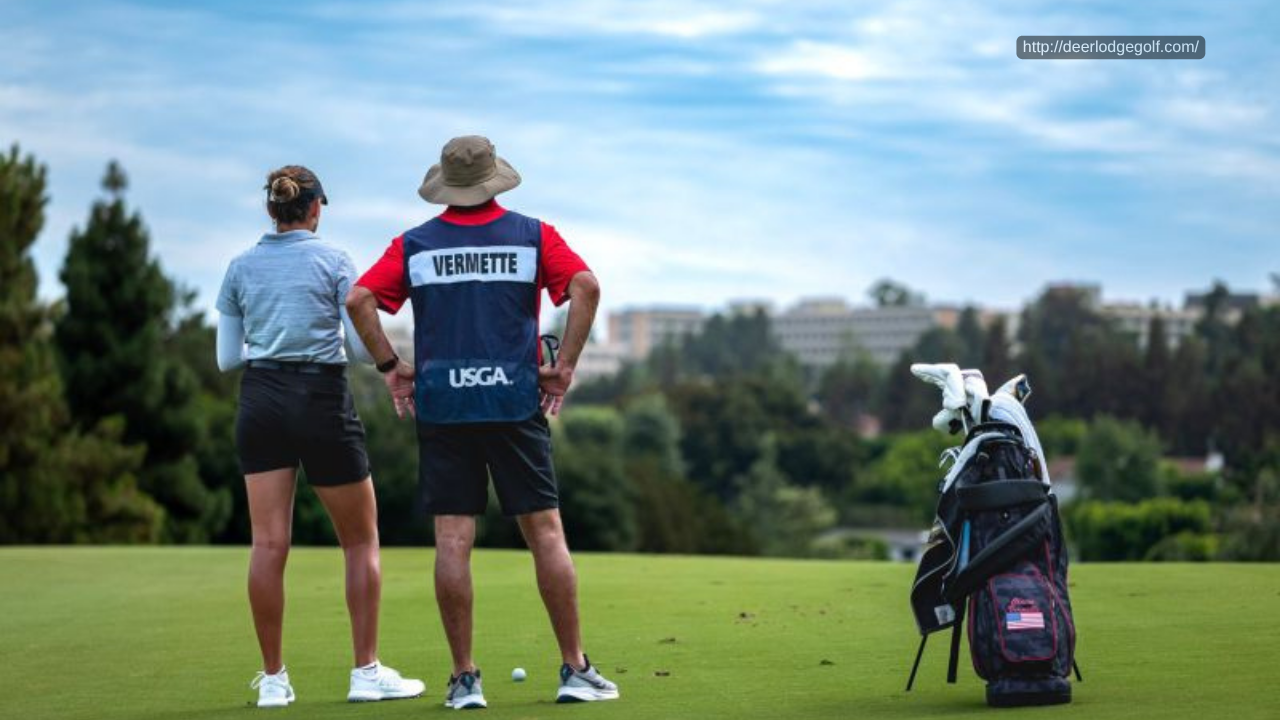

Rewriting the Score: Supporting Elite Golfers Through Addiction and Leadership Stress

Golf may appear calm and composed from the outside, but for many elite players and leaders in the sport, life behind the scenes tells a different story. The pursuit of perfection, the constant demand to perform, and the pressures of leadership can take a heavy emotional toll. When success becomes linked to identity, and stress feels unrelenting, addiction and mental health challenges often follow. Rewriting the score begins with understanding that recovery is not about failure. It is about rediscovering balance, purpose, and peace through professional and compassionate care.

The Hidden Struggles Behind the Game

Elite golfers and leaders in the sport face unique stressors that can quietly chip away at their well-being. Long travel schedules, public expectations, and the constant scrutiny that comes with influence can create an environment ripe for anxiety, exhaustion, and self-doubt.

Alcohol or other substances may seem like a simple escape from these pressures. A drink to relax after a tournament or to connect during social events can gradually turn into dependency. Over time, this pattern can affect not only performance but also relationships, reputation, and overall health.

When Success Masks Stress

Golf’s culture often celebrates control and composure, making it difficult for leaders or professionals to admit when they are struggling. The expectation to “keep it together” can lead to isolation and denial, further deepening the emotional strain. True strength, however, lies in acknowledging when help is needed.

Understanding the Link Between Leadership Stress and Addiction

Addiction does not occur in a vacuum. It often develops alongside underlying issues such as depression, anxiety, or unresolved trauma. For those in high-performing environments, the need to meet expectations can heighten emotional distress.

Leaders in golf often take responsibility for others while neglecting their own mental health. The burden of influence can lead to burnout and unhealthy coping mechanisms. Recognizing this connection is key to effective healing and long-term recovery.

The Deer Lodge Approach: Healing Beyond the Surface

At Deer Lodge, recovery is about more than addressing symptoms. It is about transforming lives through compassion, expertise, and holistic care. The team understands that addiction and leadership stress require a comprehensive approach that nurtures the mind, body, and spirit.

Personalized and integrated treatment

Every person’s story is unique. Deer Lodge offers individualized treatment plans that align with each client’s needs, values, and goals. Whether through inpatient or outpatient care, clients receive support that fits their lifestyle and pace of healing.

Mental health and emotional balance

Because addiction often coexists with mental health challenges, treatment includes evidence-based therapies that focus on emotional regulation, trauma recovery, and stress management. Clients learn to identify triggers and rebuild healthier coping strategies.

Faith-based and holistic healing

For many, recovery involves reconnecting with a sense of purpose. Deer Lodge integrates faith-based principles with holistic practices like mindfulness, nutrition, and physical wellness, helping clients find strength and renewal from within.

Lessons in Resilience: Rewriting the Score

Recovery for golfers and leaders is not about giving up control but about redefining it. The same qualities that lead to success on the course—discipline, focus, and perseverance—can also drive recovery. Learning to pause, reflect, and rebuild allows individuals to turn their greatest challenges into opportunities for growth.

By seeking help, elite golfers and leaders set an example for others. They show that recovery is not a sign of weakness but a commitment to personal excellence.

A New Round, A New Beginning

Behind every strong leader and every skilled golfer is a human being who deserves support and healing. Addiction and stress do not have to define the story. With compassionate care, understanding, and professional guidance, it is possible to rewrite the score and begin a new chapter of balance and fulfillment.

If you or someone you know in the golf world is struggling with addiction or emotional burnout, Deer Lodge is here to help. Through holistic, faith-based, and individualized treatment, you can rediscover clarity, purpose, and peace both on and off the course. Reach out today—the next round of life can be your best yet.

From Fairway to Fallout: Recovery Lessons for Golf’s Most Powerful Men

Golf has long been associated with power, prestige, and composure. The course is a place where business deals are made, reputations are built, and leadership is displayed. Yet beneath the calm exterior of golf’s most powerful men often lies a storm of pressure, perfectionism, and hidden struggles. For many, that struggle manifests through addiction, particularly alcohol. Understanding the connection between success and substance use is essential not only for recovery but also for redefining what true strength looks like.

The Hidden Costs of Success in Golf Leadership

In the world of golf, leadership is about more than skill or influence. It involves maintaining control, projecting confidence, and navigating constant social expectations. Powerful men in golf often live under the quiet burden of being both admired and isolated. The same drive that propels them to success can also push them toward exhaustion, anxiety, and unhealthy coping mechanisms.

Alcohol becomes an easy escape. Clubhouse culture frequently normalizes drinking, and many events revolve around social drinking as part of the experience. What begins as a casual tradition can quickly spiral into dependency when used to manage stress or emotional strain.

When Control Becomes the Illusion

Addiction challenges the very thing many leaders in golf value most: control. In business and sport, control is seen as mastery. But addiction slowly erodes that sense of stability, creating a cycle of guilt, secrecy, and self-doubt.

For men accustomed to power, admitting vulnerability is one of the hardest steps. The pressure to maintain an image of success often keeps them from seeking help until the fallout becomes unavoidable. Recognizing that control does not equal strength is the first lesson of recovery. True strength lies in self-awareness, humility, and the courage to ask for help.

Learning from the Rough: Recovery Lessons from the Course

Golf itself offers valuable metaphors for recovery. Every round presents obstacles, mistakes, and second chances. Similarly, recovery is about patience, discipline, and resilience.

Lesson 1: Focus on the present shot

In recovery, like golf, progress happens one moment at a time. Dwelling on past mistakes only hinders growth. Mindfulness and grounded reflection are key to staying present in the process.

Lesson 2: Adjust your stance when life shifts

Just as golfers adjust their grip or posture to improve performance, individuals in recovery learn to adjust habits, thought patterns, and relationships. With professional guidance, small changes lead to lasting transformation.

Lesson 3: Accept help from a skilled coach

No golfer improves alone, and no recovery journey succeeds without support. At Deer Lodge, professionals provide that guidance through personalized care, evidence-based treatment, and compassionate understanding.

Holistic Healing for Golf’s Leaders

Deer Lodge understands that addiction is not only a physical condition but also an emotional and spiritual one. That is why treatment focuses on healing the whole person.

  • Inpatient and outpatient programs offer flexible levels of care to match individual needs.
  • Mental health services address underlying issues such as anxiety, depression, or trauma.
  • Faith-based and holistic therapies reconnect clients with purpose and inner peace.
  • Personalized treatment plans ensure recovery is rooted in each person’s unique story.

This comprehensive approach empowers men in positions of influence to regain balance, rediscover integrity, and lead with authenticity.

The Real Victory Lies in Recovery

In golf, a bad round does not define a player’s career. Likewise, addiction does not define a person’s worth or future. For powerful men in golf, recovery offers not only healing but also a renewed sense of leadership built on honesty and self-awareness.

The fairway may be familiar, but the journey toward recovery requires courage and guidance. At Deer Lodge, that support is ready and waiting. If you or someone you know is struggling with addiction, take the first step today. Every person deserves a second chance to find clarity, balance, and peace—both on and off the course.

Golf, Influence, and Addiction: Why Leaders Are Vulnerable and How Treatment Helps

Golf is often seen as a sport of elegance, discipline, and success. Yet behind the calm fairways and polished image of its leaders lies a reality that is rarely discussed: vulnerability to addiction. Many men in positions of power within the golf world face unique pressures that make them susceptible to alcohol misuse and related mental health challenges. Understanding why leaders are at risk and how treatment can restore balance is essential for breaking cycles of silence and building healthier paths forward.

The Hidden Pressure of Leadership in Golf

Influence in the golf world is not limited to the players on the course. Executives, sponsors, and leaders within clubs often shoulder enormous responsibility. Their roles demand constant networking, decision-making, and public visibility. With success comes pressure, and with pressure often comes unhealthy coping mechanisms.

Alcohol frequently becomes a part of this culture. Business deals, social gatherings, and celebrations at the clubhouse normalize drinking. For leaders already under stress, what begins as casual participation can evolve into dependency. Unfortunately, the expectation to appear in control can prevent many from seeking the help they need.

Why Leaders Are Especially Vulnerable

Addiction does not discriminate, but those in positions of power often face challenges that increase their vulnerability.

Social expectations and accessibility

Golf leaders are frequently surrounded by environments where alcohol is readily available and even encouraged. Declining a drink may feel like stepping away from tradition or social cohesion.

The weight of image and ego

Leaders are expected to project strength, discipline, and confidence. Admitting to a struggle with alcohol may feel like admitting to weakness, which makes it harder to reach out for support.

Mental health connections

High-pressure leadership roles are often linked with stress, anxiety, and depression. Alcohol may provide temporary relief but ultimately worsens these conditions, creating a cycle that is difficult to break without professional intervention.

How Treatment Creates Lasting Change

Acknowledging addiction is only the first step. Lasting recovery requires compassionate, comprehensive treatment that addresses both the physical and emotional aspects of the struggle. At Deer Lodge, care is personalized and grounded in holistic healing.

Inpatient and outpatient care

Leaders may need different levels of treatment depending on the severity of their addiction. Deer Lodge provides both inpatient and outpatient programs to meet individuals where they are.

Mental health treatment

Because addiction and mental health are deeply connected, treatment plans focus on uncovering root causes, addressing co-occurring disorders, and building resilience.

Faith-based and holistic approaches

Healing extends beyond the physical. Incorporating faith, mindfulness, and holistic therapies helps clients reconnect with purpose and restore inner balance.

Individualized recovery

Every journey is unique. Personalized care ensures that treatment respects each person’s strengths, values, and goals, providing a foundation for sustainable recovery.

Changing the Culture of Leadership in Golf

When leaders in the golf world choose recovery, they do more than heal themselves. They model strength and courage, showing others that it is possible to step forward and break harmful cycles. This shift can transform not only individual lives but also the broader culture of leadership within the sport.

Taking the First Step Toward Healing

The intersection of golf, influence, and addiction reveals the hidden vulnerabilities of those who seem to have it all together. Alcohol may mask the strain for a time, but true healing comes from professional care, community, and a willingness to face challenges with honesty.

At Deer Lodge, leaders in the golf world can find the support they need to recover and rebuild. If you or someone you care about is struggling with addiction, now is the time to take the first step. Compassionate help is available, and lasting change is within reach.