Breaking the Silence: Addressing Alcohol in Golf’s Executive Culture

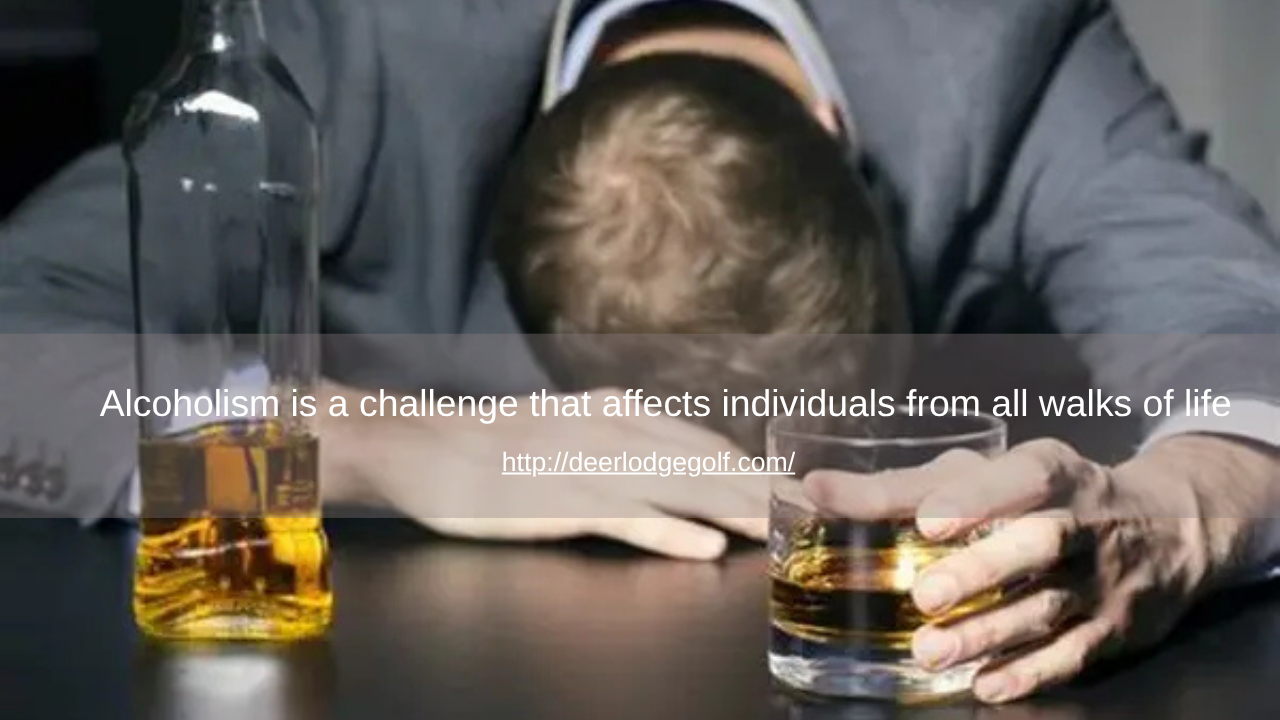
Golf has long been intertwined with leadership, networking, and influence. Within the sport’s executive circles, relationships are built over shared rounds and deals are often sealed at the clubhouse. While these traditions create opportunities, they also contribute to a culture where alcohol use is normalized. For many executives, what begins as social drinking can quietly escalate into dependency, undermining health, credibility, and leadership. At Deer Lodge, we believe it is time to break the silence surrounding alcohol in golf’s executive culture and create a healthier path forward.

The Pressure of Leadership in Golf

Executives and influencers in the golf world carry a heavy responsibility. They are expected to lead with authority, maintain a polished image, and deliver consistent results. These demands often create immense stress, which can drive some leaders to rely on alcohol as a coping mechanism. A celebratory drink may seem harmless, but when alcohol becomes a tool for stress relief, it can lead to long-term consequences.

Why Alcohol Use Is Normalized in Executive Circles

In exclusive golf environments, alcohol is often seen as part of the culture. From hospitality suites to the “19th hole,” drinking is tied to tradition and camaraderie. This normalization makes it difficult for individuals to recognize when their relationship with alcohol has crossed the line into unhealthy territory. For executives who want to preserve their image, admitting to a problem can feel impossible.

The stigma surrounding addiction in leadership roles means many suffer in silence. Executives often fear that acknowledging their struggles will damage their careers or reputations, leaving them feeling isolated and unsupported.

The Hidden Cost of Silence

The consequences of ignoring alcoholism in executive culture extend far beyond the individual. Leaders who struggle with alcohol often face declining health, impaired decision-making, and strained relationships. Their influence may begin to wane, and the organizations they represent can be affected by their personal battles.

By remaining silent, the cycle continues. What might have been addressed through early intervention becomes a crisis that impacts not only the leader but also their teams, families, and communities.

How Deer Lodge Supports Executive Recovery

At Deer Lodge, we provide confidential, compassionate, and comprehensive care tailored to the unique challenges faced by leaders in the golf community.

Individualized Treatment Plans

Every recovery journey is different. Our treatment plans are designed to meet the specific needs of executives, blending evidence-based therapies with personalized support.

Inpatient and Outpatient Options

We offer both residential care for those needing immersive healing and outpatient programs that allow for flexibility, ensuring leaders can continue to meet responsibilities while receiving support.

Holistic and Faith-Based Healing

We believe true recovery addresses the mind, body, and spirit. Our holistic programs include mental health treatment, physical wellness, mindfulness, and faith-based options for those seeking spiritual connection.

Building a Culture of Openness and Support

Change begins when silence is broken. By fostering open conversations about addiction, the golf world can move toward a healthier executive culture where leaders are supported, not stigmatized, for seeking help. Recognizing that vulnerability is a strength, not a weakness, allows for a more authentic and sustainable form of leadership.

Take the First Step Toward Healing

If you or someone you know is struggling with alcohol in golf’s executive circles, Deer Lodge is here to help. Our compassionate team provides the tools and guidance needed for lasting recovery. Do not let silence stand in the way of healing. Reach out today and take the first step toward balance, strength, and a healthier future.

From Clubhouse Privilege to Personal Turmoil: Addiction Among Golf’s Influencers

In the world of golf, privilege and prestige often go hand in hand with influence. The clubhouse is a place where deals are made, connections are built, and reputations are carefully maintained. For many influencers in the golf community, this environment creates an image of control and success. Yet behind the polished surface, addiction can quietly unravel lives, undermining both personal well-being and professional standing. At Deer Lodge, we understand that even those with status and authority are not immune to the challenges of addiction, and we are committed to providing compassionate, individualized support.

The Hidden Struggles Behind the Clubhouse Doors

While golf projects an image of discipline and precision, the pressures of maintaining influence and prestige can drive some individuals toward unhealthy coping mechanisms. Alcohol and substance use are often normalized in social settings, making it difficult to distinguish between casual indulgence and harmful dependence. Over time, addiction can grow in secrecy, leaving individuals feeling trapped between maintaining their public image and facing their private struggles.

For golf influencers, the stakes are high. Addiction does not only affect personal health but also undermines credibility, relationships, and the ability to lead with integrity. The more status one holds, the more difficult it can feel to admit vulnerability.

Why Addiction Among Influencers Often Goes Unseen

In elite golf circles, addiction is often masked by privilege. The lifestyle of exclusive events, high-profile tournaments, and influential gatherings creates an environment where alcohol and excess can be overlooked or even encouraged. Because of this, influencers may delay seeking help, fearing that acknowledgment of their struggles will damage their reputation.

Unfortunately, the longer addiction is left unaddressed, the more it disrupts every aspect of life. Health declines, decision-making falters, and emotional resilience weakens, leading to turmoil that cannot be contained by status or wealth.

How Deer Lodge Provides a Path to Recovery

At Deer Lodge, we believe that every individual deserves the opportunity to heal, no matter their position or influence. Our programs are designed to offer privacy, respect, and tailored care that meets each client’s unique needs.

Individualized Treatment Plans

Recovery is not one-size-fits-all. Our team creates personalized treatment strategies that address both addiction and underlying issues, ensuring a comprehensive path to healing.

Inpatient and Outpatient Options

We provide both residential programs for those who need immersive support and outpatient care for those seeking flexibility while balancing personal and professional responsibilities.

Holistic and Faith-Based Healing

We understand that true recovery involves the mind, body, and spirit. Our holistic approach integrates evidence-based therapies with mindfulness, physical wellness, and spiritual growth for lasting transformation.

Moving Beyond Privilege Toward True Healing

Influence and privilege cannot shield anyone from the impact of addiction. What defines true strength is the willingness to seek help and embrace change. Recovery allows individuals to regain clarity, rebuild relationships, and restore their sense of purpose.

At Deer Lodge, we stand ready to walk alongside those in the golf community who are ready to take the first step toward healing. If you or someone you know is struggling, there is hope and help available.

Take the First Step Today

You do not have to face addiction alone. Reach out to Deer Lodge today and begin your journey toward lasting recovery, balance, and peace of mind.

Beyond the Scorecard: How Alcoholism Undermines Leadership in the Golf World

Golf has always been more than just a sport. For many, it is a network of relationships, a place where business deals are made, and where reputations are built. In the leadership circles of golf, influence and image matter greatly. Yet beneath the surface, alcoholism can quietly erode not only personal well-being but also the ability to lead effectively. At Deer Lodge, we understand how addiction impacts leaders in the golf world and we offer the tools to rebuild both life and leadership.

The Silent Strain on Golf’s Leaders

In the competitive and high-profile environment of professional golf and its executive circles, leaders are often expected to maintain composure, authority, and success at all times. This pressure can take a toll, and for some, alcohol becomes a way to cope with stress, anxiety, or self-doubt. Over time, what begins as social drinking can become a dependency that undermines decision-making, relationships, and overall health.

Alcoholism affects more than just the individual. In leadership roles, it can compromise trust, cloud judgment, and diminish credibility. In a sport where reputation and discipline are essential, these effects can be devastating.

Why Alcoholism Often Goes Unnoticed

Many leaders in golf occupy positions where their struggles are hidden behind prestige and public perception. The culture of exclusive clubs and events often normalizes drinking, making it difficult to recognize when use has crossed the line into addiction. Furthermore, leaders may fear that seeking help will be perceived as weakness, causing them to remain silent and struggle in isolation.

This silence is costly. Unaddressed addiction can lead to personal and professional consequences that are far more damaging than the temporary discomfort of asking for help.

How Deer Lodge Supports Leaders in Recovery

At Deer Lodge, we provide a safe and confidential environment where leaders can address alcoholism without judgment. Our programs are tailored to each individual’s unique needs, offering both inpatient and outpatient options for maximum flexibility and privacy.

Individualized Care

Every recovery journey is personal. We create customized treatment plans that address the root causes of addiction, blending evidence-based therapies with holistic and faith-based support.

Comprehensive Mental Health Services

Addiction often coexists with depression, anxiety, or unresolved trauma. Our integrated approach ensures that mental health care is a central part of recovery, helping clients regain clarity, confidence, and resilience.

Holistic Healing

Physical health, mindfulness practices, and spiritual wellness are all part of our treatment philosophy. We believe that healing involves the whole person, not just the symptoms of addiction.

Moving Beyond the Scorecard

True leadership in golf is about more than achievements on the course or influence in the boardroom. It is about integrity, clarity, and the ability to inspire others. Recovery allows leaders to reclaim these qualities, not only for their own well-being but for the good of the communities they serve.

If you or someone you know in the golf world is struggling with alcoholism, there is hope. Deer Lodge is here to help you move beyond the scorecard and into a life of balance, health, and purpose.

Take the First Step Today

You do not have to face addiction alone. Our compassionate and professional team is ready to support you with the tools, care, and understanding you need to recover fully. Contact Deer Lodge today and start your journey toward lasting change.

When Power Meets Addiction: Quiet Struggles Behind Golf’s Elite Circle

Golf has long been associated with prestige, influence, and tradition. For many of its elite members, the sport is more than a game. It is a way of life that blends business, social status, and personal ambition. Yet behind the well-manicured fairways and polished clubhouses, a quieter truth often remains hidden. Addiction and mental health challenges are more common among powerful men in golf than many realize. At Deer Lodge, we understand these silent battles and offer compassionate, professional care for those navigating the complex intersection of power and addiction.

The Hidden Costs of High Expectations

In high-stakes environments like professional golf and leadership within the sport, pressure can become overwhelming. Executives, athletes, and influencers are often expected to maintain composure, excellence, and control. Yet these demands can mask deep emotional strain. Over time, many turn to alcohol or other substances to manage stress, anxiety, or feelings of inadequacy.

These habits may begin subtly: a drink after a round, celebratory toasts, or social pressure in exclusive clubs. But what starts as occasional use can escalate into dependence. The combination of access, influence, and a culture that normalizes substance use makes it easy for addiction to develop unnoticed.

Why Powerful Men Often Struggle in Silence

Leadership roles often come with a sense of isolation. Many men in positions of authority believe they must always appear strong and in control. Admitting to a mental health struggle or addiction can feel like a threat to their identity or reputation. Unfortunately, this stigma prevents many from seeking help until the damage is significant.

At Deer Lodge, we’ve seen how this silence can prolong suffering. Powerful men may have financial security, but internal turmoil can make everyday life feel unmanageable. Addiction does not discriminate based on status, income, or achievement. It is a deeply personal battle that requires support and a trusted path to healing.

A Holistic and Personalized Approach to Healing

Every individual who walks through our doors is more than a diagnosis. At Deer Lodge, we provide individualized treatment plans tailored to each person’s unique circumstances, needs, and goals. Whether someone requires inpatient support or outpatient flexibility, our programs address the root causes of addiction with compassion and care.

We incorporate holistic methods that include therapy, faith-based support, mindfulness practices, and physical wellness. Our mental health services complement addiction recovery, helping clients rebuild resilience and develop healthier coping mechanisms. This integrated approach ensures that our clients not only recover but thrive beyond their time with us.

Breaking the Silence and Finding Support

It takes courage to step forward and ask for help, especially in circles where image and influence are everything. But healing begins with honesty. If you or someone you care about is silently struggling behind the scenes, know that support is available.

Deer Lodge is a safe, confidential, and judgment-free space for healing. We honor the dignity of every person, regardless of their status or background. Our team is here to walk with you through the rough patches and help you find your way back to a life of clarity, balance, and purpose.

Take the First Step Toward Recovery

Addiction does not have to define your story. If you are facing challenges related to alcohol, stress, or emotional health in the high-pressure world of golf, you are not alone. Deer Lodge offers comprehensive, professional, and compassionate care to guide you toward lasting recovery.

Reach out today. Let us help you find peace beyond the green and strength beyond the spotlight.

Bogeys in Life: How Power and Addiction Shape the Downfall of Men in Golf

Golf is often celebrated as a game of precision, patience, and personal excellence. For many men, especially those in positions of power, it represents not just a sport but a lifestyle. Golf is where business deals are made, friendships are forged, and reputations are cultivated. But behind the country club facades and the immaculate greens, there lies a troubling reality: addiction. When power and addiction intersect, they can lead even the most respected figures in golf down a dangerous path, resulting in personal and professional collapse.

The Pressure of Perfection

In golf, the difference between success and failure is often measured in inches. That pursuit of perfection extends beyond the course for many powerful men involved in the sport. Executives, athletes, and industry leaders are expected to maintain an image of control, competence, and success. However, the weight of these expectations can be crushing.

For some, the pressures of leadership and public scrutiny lead to unhealthy coping mechanisms. Alcohol, prescription medication, or other addictive behaviors may become a way to unwind or silence internal struggles. Initially masked by charm and authority, addiction eventually reveals itself, leaving a trail of broken relationships, poor decisions, and tarnished legacies.

Addiction in Golf’s Elite Circles

The social aspect of golf can inadvertently fuel addiction. The tradition of celebrating at the “19th hole” is ingrained in golf culture, where rounds are often followed by drinks, and socializing is intertwined with alcohol. This environment makes it easy for addiction to take root unnoticed.

Powerful men in golf circles often have the resources to hide their struggles for a time. Private club memberships, influential connections, and personal wealth provide a buffer from accountability. But addiction is an equalizer; it chips away at even the most carefully maintained reputations.

The Fall from Grace

History has shown that addiction does not discriminate. Some of golf’s most prominent figures have faced public battles with alcoholism, gambling, or other compulsive behaviors. For leaders in golf, whether they are players, coaches, or executives, these personal struggles often spill over into their professional lives.

Once addiction takes hold, decision-making deteriorates. Mismanagement of responsibilities, erratic behavior, and personal scandals can follow. What begins as a private battle soon becomes a public spectacle, resulting in damaged careers and lost respect. The very discipline that golf teaches on the course can be eroded by addiction off it.

Building a Path to Recovery

Addressing addiction in golf’s power circles requires a cultural shift. Open conversations about mental health, stress management, and substance abuse must become the norm, not the exception. Clubs and organizations should provide access to confidential support programs and encourage leaders to seek help without fear of stigma.

True leadership involves acknowledging human vulnerability. The lessons of golf—patience, humility, and perseverance—are equally relevant in the journey of recovery. By confronting addiction head-on, those in positions of power can turn personal bogeys into opportunities for growth, setting a healthier example for the generations to come.

Masters of the Game, Slaves to the Bottle: Power, Weakness, and Alcoholism in Golf

In the refined world of golf, mastery is everything. The sport rewards discipline, strategy, and mental toughness. Its leaders and icons are often admired not just for their skill on the green but for the power they wield off it. Yet beneath the surface of this polished image, many so-called masters of the game are privately battling a different challenge—alcoholism. A silent struggle that reveals just how thin the line between control and chaos can be.

Prestige and Pressure: A Double-Edged Sword

Golf is synonymous with prestige. From iconic courses to private clubs, it is a sport rooted in tradition, luxury, and exclusivity. For the men who rise to its highest ranks—be they players, executives, or influential patrons—golf is not only a game but a status symbol. With that status comes pressure: to perform, to lead, to embody the sport’s storied values.

This pressure is often compounded by expectations of perfection. In a game where the margin between victory and defeat is razor-thin, and public image is everything, any weakness is seen as a flaw. Alcohol, easily accessible and socially accepted, becomes a tempting way to decompress, to escape the grind of constant expectation.

Social Ritual or Dangerous Dependency?

The culture of drinking in golf is deeply entrenched. The “19th hole” is a celebrated tradition, a space where victories are toasted and camaraderie is built. Business deals are brokered over bourbon, and long-standing relationships are forged with a glass in hand. However, this ritualistic aspect of the sport can disguise deeper issues.

For some, what begins as casual drinking spirals into something more dangerous. The very environments that encourage social drinking—clubhouses, corporate outings, tournaments—can foster dependency. And in the case of powerful individuals, their influence often shields them from early intervention. Their addiction is masked by charisma, success, and the deference of those around them.

The Hidden Cost of Control

Alcoholism among golf’s elite isn’t always visible until the consequences become too big to ignore. Missed responsibilities, damaged reputations, fractured relationships—all are signs of a deeper struggle. Yet for many, admitting to this struggle feels impossible. Ego, pride, and the fear of losing status keep them locked in cycles of denial.

Ironically, the very traits that make them “masters of the game”—confidence, independence, and relentless ambition—are what prevent them from seeking help. They become prisoners of their own success, bound by a bottle that slowly robs them of the control they so carefully crafted.

A Call for Authentic Leadership

Change must start from within the golf world. Leaders need to redefine strength, moving beyond perfection and embracing vulnerability. Wellness programs, mental health resources, and honest conversations about addiction should be prioritized. The image of golf as a pristine, problem-free domain must evolve to include the realities of human struggle.

Alcoholism doesn’t diminish one’s legacy—it reveals the parts of it that need healing. By acknowledging the presence of addiction in even its most powerful members, golf can become not only a game of skill, but a platform for resilience, authenticity, and redemption.

The 19th Hole Curse: Alcoholism and the Downfall of Golf’s Most Influential Men

In the storied world of golf, where tradition and discipline reign supreme, the so-called “19th hole” — the bar — holds a complex place. It is where camaraderie is built, deals are sealed, and victories are toasted. Yet, behind the clink of glasses and shared laughter lies a darker narrative. For many of golf’s most influential men, the 19th hole has been less a reward and more a curse, contributing to personal downfalls shaped by alcoholism.

The Social Trap of the 19th Hole

In elite golf culture, drinking isn’t just accepted — it’s expected. After a tense round or a high-stakes charity event, retreating to the clubhouse bar is almost ritual. For powerful figures — whether top executives, wealthy patrons, or professional players — this environment fosters a culture where overindulgence is normalized. Alcohol becomes intertwined with celebration, relaxation, and even identity.

But what begins as social bonding can morph into dependency. The pressure to uphold a powerful image, combined with the demands of leadership and performance, often pushes men toward using alcohol as a coping mechanism. What’s more, their status allows them to mask the early signs of trouble, shielded by privilege and the deference of those around them.

When Power Meets Vulnerability

Alcoholism in golf’s upper ranks reveals a striking irony: the very men who appear most in control on the course and in the boardroom are often those struggling most behind closed doors. The ego that fuels success can make it difficult to admit vulnerability or seek help. And as dependency grows, the cracks begin to show — poor decisions, strained relationships, erratic behavior, and in some cases, public scandal.

There have been instances where influential men in golf faced DUIs, public outbursts, or quiet departures from leadership roles, their struggles whispered about but rarely addressed openly. In these moments, the illusion of invulnerability shatters, exposing the human frailty beneath the power.

Breaking the Curse

To confront the 19th hole curse, golf must re-examine the role of alcohol in its culture. Clubs and organizations should shift focus from indulgence to wellness, offering mental health support and creating environments where responsible choices are encouraged. Events can highlight achievement without making alcohol the centerpiece, and leaders can model healthier habits for the next generation.

Perhaps most importantly, there needs to be a cultural shift in how vulnerability is perceived. Admitting to struggles with alcohol should not be seen as weakness but as a courageous step toward authentic leadership. When golf’s most influential figures are empowered to seek help, they set a powerful example — one that aligns with the sport’s core values of integrity and resilience.

Conclusion

The 19th hole has long been a symbol of golf’s social side, but for too many, it has also marked the start of personal decline. By acknowledging and addressing the impact of alcoholism among its most powerful men, golf can begin to lift the curse — fostering a culture where strength is measured not by how well one hides their struggles, but by the courage to confront them.

Beyond the Green: How Alcoholism Exposes the Weaknesses of Golf’s Power Players

Beneath golf’s cultivated image of quiet concentration and gentlemanly etiquette lies a world rife with complexities. For power players within the sport—be they influential executives, revered professionals, or well-connected club elites—the golf course is more than a playing field. It is a theater for influence, ego, and, too often, a stage where personal demons emerge. Among the most persistent of these demons is alcoholism, a struggle that strips away the polished veneer of power and exposes the very human weaknesses beneath.

The Hidden Toll of Prestige

Success in golf, particularly at the leadership level, comes with immense expectations. These figures are expected to inspire, to lead, and to uphold the traditions of a sport steeped in decorum. But prestige can be isolating. The higher one climbs, the fewer genuine support systems remain. For many, alcohol becomes an outlet—first as a social norm, then as a crutch under mounting pressure.

At elite golf clubs and corporate events, alcohol flows freely. Toasts are raised to victories, deals, and legacies. In such an environment, the line between celebration and dependency can blur quickly. What begins as an occasional indulgence can transform into a pattern of reliance, especially for individuals accustomed to power and the illusion of control.

Cracks in the Facade

The effect of alcoholism on golf’s power players is not always immediate. Many continue to function in their roles, masking their struggles behind charm and competence. But eventually, the cracks begin to show. Decision-making becomes impaired, judgment lapses, and professional relationships suffer.

The ego that once fueled their rise becomes a liability, preventing them from acknowledging the problem. Often, it takes a public misstep—an embarrassing incident, a scandal, or a health crisis—for the truth to surface. By then, reputations are tarnished and legacies questioned.

Golf’s ethos of integrity and self-discipline clashes sharply with the reality of addiction. The disconnect between the image projected and the truth lived can be jarring, both for the individual and the institutions they represent.

A Culture in Need of Reform

Golf’s power structures have long protected their own, shielding prominent figures from scrutiny while quietly managing their missteps. This culture of silence has enabled alcoholism to persist unchecked. To move forward, the sport must shed its reluctance to address addiction openly.

Wellness programs, mental health support, and proactive policies around substance use should become staples of golf leadership at every level. More importantly, there needs to be a shift in mindset: vulnerability must no longer be viewed as a weakness, but as a path to authentic strength.

A New Definition of Strength

Beyond the green, away from the applause and accolades, lies the real test of character. For golf’s power players, confronting addiction requires more courage than any tournament. It demands honesty, humility, and a willingness to lead by example.

Alcoholism exposes the weaknesses of even the most seemingly invulnerable figures in golf. But in doing so, it also offers an opportunity—to redefine leadership not by invincibility, but by resilience, empathy, and the courage to change.

Unraveling Under Pressure: Alcohol, Ego, and the Weaknesses of Golf’s Leaders

Golf, known for its mental rigor and demand for emotional control, has become a metaphor for grace under pressure. Leaders within the sport—executives, professional players, and high-profile club figures—are expected to model these very traits. But behind the image of refined discipline and effortless composure often lies a fragile balance. When alcohol and ego enter the equation, the veneer of control begins to crack, exposing the deep weaknesses that can undermine golf’s most prominent leaders.

The Illusion of Control

In golf, as in leadership, control is currency. Leaders are admired for their ability to maintain poise under pressure, to make decisions that influence careers and shape reputations. But the same ego that fuels ambition can also mask vulnerability. The fear of appearing weak or fallible drives many to suppress emotions and project invincibility.

Alcohol often becomes the tool used to sustain this illusion. It offers temporary relief, a socially acceptable escape from the constant weight of expectation. Among golf’s leaders, where appearances are everything, alcohol is both a symbol of status and a private anesthetic. Happy hours, donor dinners, and exclusive club events create an environment where overindulgence is not only tolerated but often celebrated.

The Erosion of Leadership

When alcohol use shifts from casual to compulsive, the impact on leadership can be devastating. Decision-making becomes erratic, professional relationships begin to fray, and the clarity required for strategic thinking is compromised. Ego, inflated by years of unchecked authority, often prevents leaders from acknowledging the problem. Instead of seeking help, they double down on denial, convinced their power insulates them from consequence.

Over time, however, the consequences become undeniable. Missed opportunities, public embarrassments, and even legal issues begin to accumulate. The trust that others once placed in these figures erodes, replaced by skepticism and concern. For a sport that prides itself on honor and etiquette, such downfalls are not just personal—they are institutional failures.

Cracks in the Ivory Tower

Golf’s upper echelons have seen their share of scandal involving alcohol and ego. From executives stepping down amid controversy to former champions confronting public battles with addiction, the pattern is clear. Yet for every high-profile fall, there are countless quieter struggles hidden behind closed clubhouse doors. These stories rarely make headlines, but their impact on the sport’s culture is significant.

The silence around these issues reflects a larger discomfort with vulnerability. In many elite golf circles, seeking help is still seen as a sign of weakness, especially for men in leadership roles. This mindset perpetuates a cycle of secrecy and self-destruction.

Toward a Culture of Authentic Leadership

Breaking this cycle requires a cultural shift. Golf’s institutions must begin to value authenticity and emotional health as much as performance and prestige. Leadership training should include emotional intelligence, stress management, and substance abuse awareness. Club policies should encourage responsible behavior, and visible support systems should be in place for those struggling.

In a game built on integrity, real strength lies not in ego or image, but in the courage to confront personal flaws. Golf’s leaders must redefine what it means to lead—not just with authority, but with humility, vulnerability, and a commitment to wellness.

Teeing Off Trouble: The Struggles of Powerful Men in Golf and Addiction

Golf has long been considered a gentleman’s game, a sport of patience, precision, and poise. It is also, for many powerful men, a stage for social clout and business strategy. Yet, behind the manicured greens and hushed conversations lies a reality not often spoken aloud: addiction. Whether to alcohol, prescription drugs, or the pressure of perfection, addiction has found fertile ground in the world of golf, particularly among its most powerful figures.

The Intersection of Privilege and Pressure

Men in positions of power within the golf world—from high-ranking executives to elite amateur players and seasoned pros—are often under immense pressure to perform, lead, and maintain appearances. With privilege comes expectation. The clubhouse becomes both a sanctuary and a stage, where vulnerabilities are hidden behind brandy glasses and confident handshakes.

Addiction in these circles often begins subtly. A drink to unwind, a pill for pain, or a late-night bet that becomes a weekly ritual. What starts as a coping mechanism for stress or celebration can quickly evolve into dependency. And for those at the top, where scrutiny is constant and the stakes are high, asking for help can feel like admitting defeat.

A Culture That Enables

Golf’s culture can inadvertently foster addiction. Alcohol is woven into the social fabric of the sport—post-round drinks, charity events, and sponsor dinners are rife with opportunities to overindulge. Combine this with the isolating nature of leadership and the often solitary pursuit of golfing excellence, and it becomes easy for addiction to take hold unnoticed.

Moreover, powerful men often have the means to conceal their struggles. Private doctors, discreet therapists, and inner circles that protect reputations can all delay meaningful intervention. This insulation not only prolongs the problem but can also make recovery more difficult once reality sets in.

The Cost of Control

Addiction doesn’t discriminate based on status. In fact, power can make its grip tighter. Many influential figures in golf have seen their personal and professional lives unravel due to unchecked dependencies. Careers have been derailed, relationships destroyed, and reputations permanently damaged.

Some former players and executives have gone public with their battles, shedding light on the toll addiction has taken and the courage it takes to recover. These stories reveal the humanity behind the polished exteriors, and they underscore a need for more open dialogue within the sport.

Toward a Healthier Fairway

To truly address addiction in golf’s elite spaces, the culture must shift. Wellness should be championed alongside skill, and seeking support should be seen as a strength rather than a weakness. Clubs and organizations can take the lead by providing resources for mental health, encouraging transparency, and reevaluating the role of alcohol in their traditions.

Teeing off trouble means confronting the truth: even the most powerful men are not immune to the quiet pull of addiction. But with awareness, support, and a commitment to change, the game can become a place not just of achievement, but of healing and resilience.