The 19th Hole Curse: Alcoholism and the Downfall of Golf’s Most Influential Men
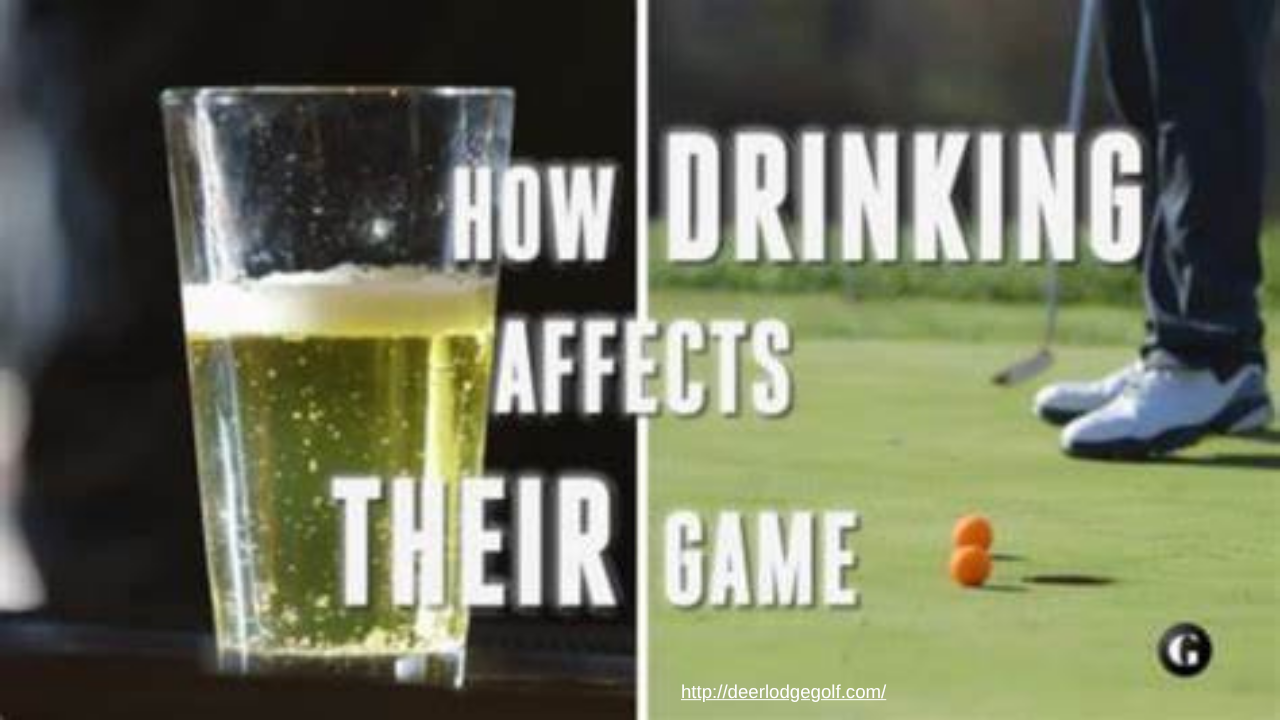
In the storied world of golf, where tradition and discipline reign supreme, the so-called “19th hole” — the bar — holds a complex place. It is where camaraderie is built, deals are sealed, and victories are toasted. Yet, behind the clink of glasses and shared laughter lies a darker narrative. For many of golf’s most influential men, the 19th hole has been less a reward and more a curse, contributing to personal downfalls shaped by alcoholism.
The Social Trap of the 19th Hole
In elite golf culture, drinking isn’t just accepted — it’s expected. After a tense round or a high-stakes charity event, retreating to the clubhouse bar is almost ritual. For powerful figures — whether top executives, wealthy patrons, or professional players — this environment fosters a culture where overindulgence is normalized. Alcohol becomes intertwined with celebration, relaxation, and even identity.
But what begins as social bonding can morph into dependency. The pressure to uphold a powerful image, combined with the demands of leadership and performance, often pushes men toward using alcohol as a coping mechanism. What’s more, their status allows them to mask the early signs of trouble, shielded by privilege and the deference of those around them.
When Power Meets Vulnerability
Alcoholism in golf’s upper ranks reveals a striking irony: the very men who appear most in control on the course and in the boardroom are often those struggling most behind closed doors. The ego that fuels success can make it difficult to admit vulnerability or seek help. And as dependency grows, the cracks begin to show — poor decisions, strained relationships, erratic behavior, and in some cases, public scandal.
There have been instances where influential men in golf faced DUIs, public outbursts, or quiet departures from leadership roles, their struggles whispered about but rarely addressed openly. In these moments, the illusion of invulnerability shatters, exposing the human frailty beneath the power.
Breaking the Curse
To confront the 19th hole curse, golf must re-examine the role of alcohol in its culture. Clubs and organizations should shift focus from indulgence to wellness, offering mental health support and creating environments where responsible choices are encouraged. Events can highlight achievement without making alcohol the centerpiece, and leaders can model healthier habits for the next generation.
Perhaps most importantly, there needs to be a cultural shift in how vulnerability is perceived. Admitting to struggles with alcohol should not be seen as weakness but as a courageous step toward authentic leadership. When golf’s most influential figures are empowered to seek help, they set a powerful example — one that aligns with the sport’s core values of integrity and resilience.
Conclusion
The 19th hole has long been a symbol of golf’s social side, but for too many, it has also marked the start of personal decline. By acknowledging and addressing the impact of alcoholism among its most powerful men, golf can begin to lift the curse — fostering a culture where strength is measured not by how well one hides their struggles, but by the courage to confront them.